1931 – 1935
Bugatti Type 51
Price on request
Racing history.
In 1931 Ettore Bugatti evolved the Type 35 to its logical conclusion: twin overhead camshafts, more power, more precise throttle response. Only 40 examples were built — the Type 51 was the car for drivers for whom the Type 35 was not enough.
Louis Chiron and Achille Varzi won Grands Prix across Europe in the Type 51. The car dominated the 1931 season and remained competitive until overtaken by Alfa Romeo and Mercedes-Benz — a testament to its technical authority.
Given the small original production run, a driveable Type 51 is today virtually unobtainable. Pur Sang is one of the few workshops that builds the car afresh to original drawings.
What Pur Sang builds.
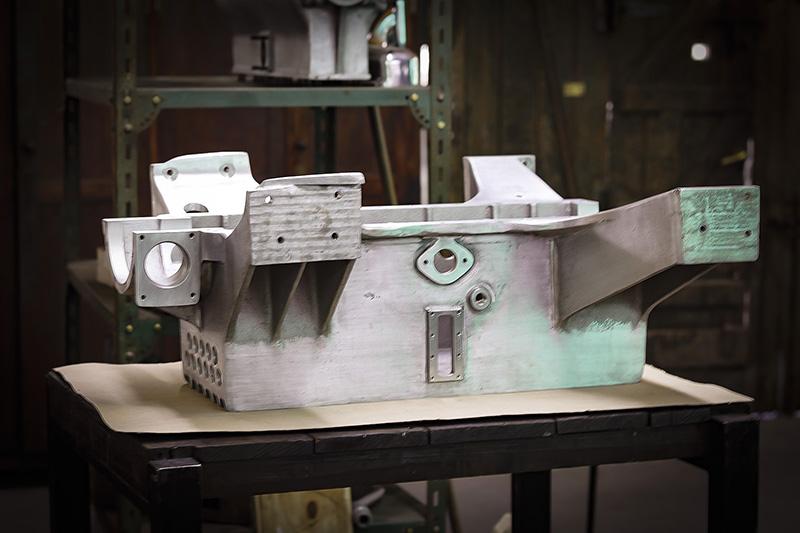
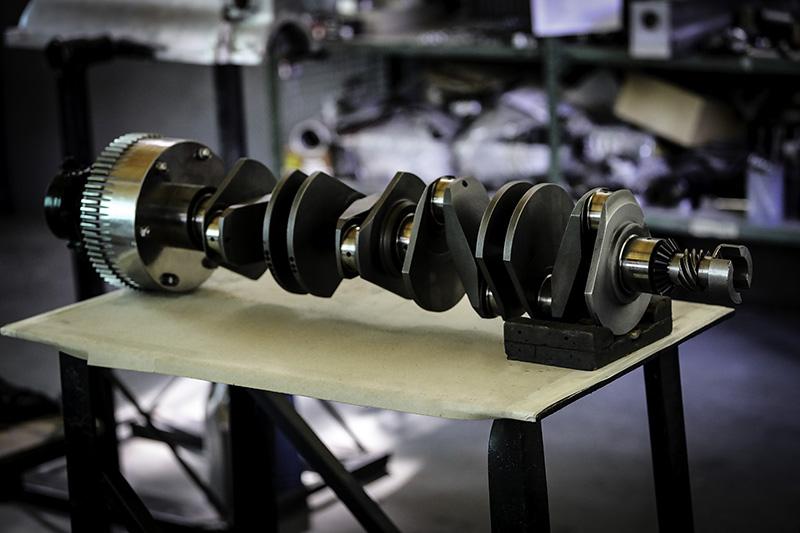
The Type 51 demands more of its builders than its predecessor. The DOHC engine requires tighter tolerances; the crankshaft drive requires more precise machining. The Pur Sang workshop builds all mechanical assemblies in-house — engine block from the in-house foundry, camshafts and gearbox from the in-house machining department. No bought-in parts, no compromises on specification.
Technical data.
- Engine
- 2.3 L straight-eight, twin overhead camshafts
- Power
- 160 hp (118 kW)
- Bodywork
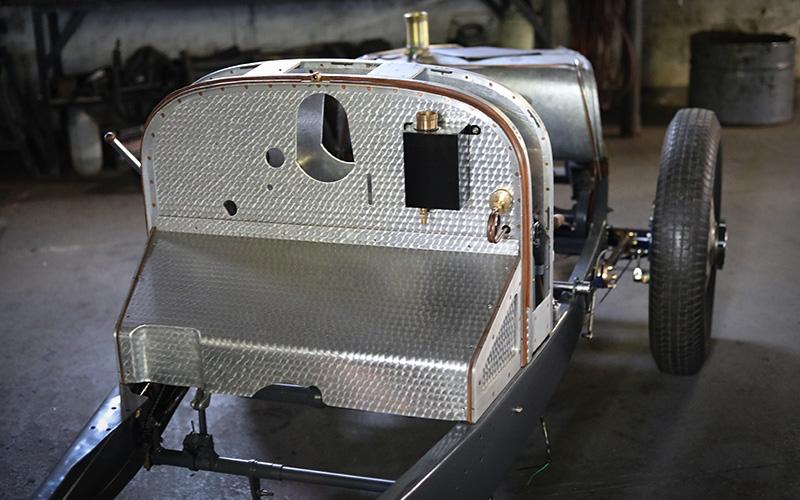
- Aluminium, English-wheel formed
- Chassis
- Original specification, TIG-welded
- Wheels
- Bugatti original type, in-house made
- Colour
- Individual choice, period-correct
- Upholstery
- Leather, hand-stitched
- Build time
- 18–22 months
- Price
- On request
- Certificate
- Numbered, workshop-signed